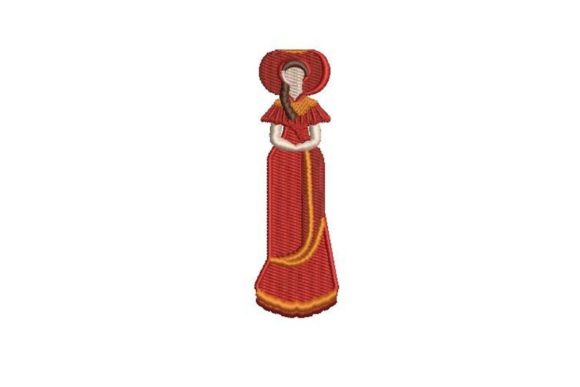
A Designer's Honest Look at the Faceless Doll Embroidery
When a new embroidery file lands in my library, my first thought isn’t just “is it cute?” It’s “where does this belong?” I’m looking at it through the lens of a real project: a custom sweatshirt for a client’s child, a tote bag for a craft fair, or a holiday gift for a family member. So, when I evaluate a design like Faceless Doll, I’m thinking about its mood, its practical stitching performance, and ultimately, its place in a finished product. Let’s walk through that process.
The Quiet Charm of a Simple Shape
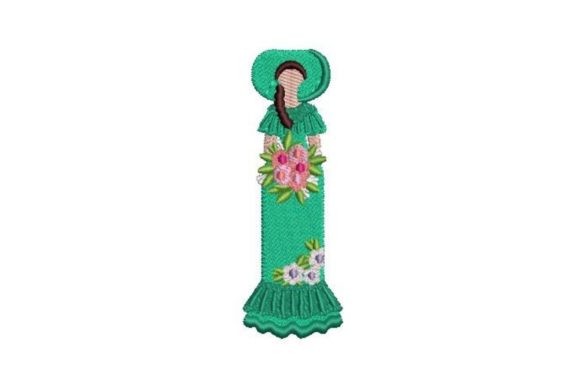
The immediate impression of this design is one of gentle, minimalist whimsy. The absence of facial features creates a soft, universal character—it feels more like a symbol or a cozy shape than a specific portrait. This gives it a broad appeal. The mood is calm, playful, and slightly nostalgic. For me, that visual personality screams application on textiles meant for comfort and everyday use. It’s not a loud, statement piece; it’s a subtle, heartwarming accent.
This naturally points it towards projects like baby clothes, nursery pillow covers, lightweight blankets, or kitchen towels meant as personalized gifts. The ‘Boys’ category hint is useful, but I’d argue this design’s simplicity could easily transcend that for unisex gifts or decor. Its layout, likely with a clean outline and some internal fill stitch details, suggests it wouldn’t overwhelm a small item.
Where This Design Finds Its Home in Real Projects
In practical embroidery situations, Faceless Doll feels like a versatile, friendly asset. Imagine stitching it onto the corner of a waffle-knit baby blanket. The simple shapes would translate clearly, without dense stitch areas causing stiffness in the soft fabric. On a canvas tote bag for a small shop product, it would become a recognizable, handmade logo—approachable and brand-consistent for a boutique selling children’s items or cozy home goods.
For an Etsy seller creating custom apparel, like a child’s sweatshirt, this design offers a safe, charming choice that parents would gravitate toward. It’s giftable. On a tea towel or apron, it becomes a cute kitchen accent without being too thematic. As an embroidered patch, its clear shape would allow for easy application onto backpacks or jackets. In my experience, designs with this personality boost a product’s perceived value by feeling intentional and crafted, not generic. They build customer trust through that handmade presentation.
A Scenario: Preparing a Boutique Holiday Gift Set
Let’s say I’m preparing a small holiday gift set for my craft business: a matching embroidered pillow cover and tea towel. Faceless Doll comes to mind. Its universal charm fits a ‘cozy home’ theme perfectly. I’d envision it stitched in a warm, earthy thread color on natural linen. The final look would be professional, cohesive, and engaging for a buyer looking for something unique yet not overly bold. It wouldn’t compete with other patterns; it would complement them. That’s a key strength for commercial embroidery projects meant for sale.
Careful Considerations for Stitching Success
While the description says it’s perfect for “any kind of clothes or accessories,” my designer mindset adds a layer of realism. Not all designs perform flawlessly on all surfaces. Based on its likely structure, here’s where I’d use Faceless Doll carefully.
On very small hoop sizes, the internal details need to be inspected. If there are tiny elements, they might lose clarity. On stretchy fabrics like thin t-shirts, proper stabilizer is non-negotiable to prevent distortion of those clean outlines. For dark fabric backgrounds, I’d test thread color contrast thoroughly—a light-filled design might need a bright top thread or even a backing to pop. Embroidering on curved surfaces like caps requires checking the design’s orientation and density to avoid puckering.
Products that need frequent washing, like baby items or kitchen towels, benefit from a design that isn’t overly dense. A high stitch count can make fabric stiff and less durable. I’d advise checking the actual stitch density of this file before committing to such items. Similarly, textured fabrics like sweaters might obscure simpler shapes, so a test run on scrap fabric is essential.
Practical Notes Before You Hoop the Fabric
My routine before using any new machine embroidery design for client work or my own products involves a few key steps. For Faceless Doll, I’d recommend the same.
- Always test on scrap fabric first. Use the same material and stabilizer you plan for the final project. This reveals any issues with pull, density, or clarity.
- Check thread color contrast. Run the design in both a light and dark fabric mockup, even digitally, to see how it holds up. Sometimes a simple outline needs a bolder thread on dark backgrounds.
- Review the design for very small details or corners that might require careful machine speed settings or even minor digitizing adjustments for personal use.
- Confirm the hoop size requirement and ensure your project base fits it comfortably. Don’t force a design onto a too-small area.
- If you’re selling the finished product—like an embroidered tote bag or baby blanket in your small shop—confirm the licensing terms of the digital embroidery file. Ensure commercial use is allowed to protect your craft business.
These steps transform a cute file into a reliable design asset. They ensure the final embroidered patch, sweatshirt, or gift looks professional and lasts, which directly affects buyer engagement and your brand’s reputation.
The Bottom Line for Makers and Entrepreneurs
Faceless Doll strikes me as a solid, versatile design for projects where a touch of gentle charm is needed. It’s not overly complex, which makes it a reliable choice for a variety of fabrics and items, from custom apparel to holiday embroidery gifts. Its strength is in its mood and adaptability. For embroidery designers, small business owners, and hobbyists looking to create products with a warm, handmade feel, this design can be a great tool. Just pair it with your standard practical diligence: test, check, and confirm. Then, it can indeed help turn your ideas into those magical, and more importantly, well-executed, works of art.