A Designer's Review: The Weeping Willow Embroidery
First Impression: Subtle Elegance for Home & Market
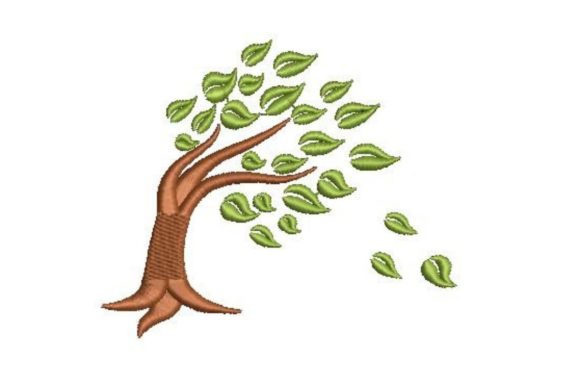
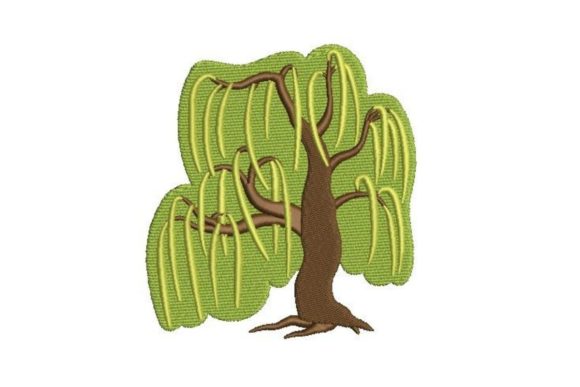
The Weeping Willow design, as described, promises a "cute" and "fancy" touch. From a professional standpoint, this immediately signals a design leaning towards subtle elegance rather than bold statement. It feels decorative, soft, and inherently natural—perfectly aligned with the Forest category. For a craft fair booth, this isn't a loud, funny, or festive piece. It's a quiet, premium detail that appeals to customers looking for a touch of refined, handmade nature in their home accessories. This mood is a strong selling point for a specific, discerning buyer.
Product Placement: Where This Willow Shines
When preparing your booth with tote bags, aprons, tea towels, and pouches, placement is key. The Weeping Willow won't compete with bold, graphic designs on a crowded table. Instead, it should be positioned as a higher-value, aesthetic accent.
Its elegant flow makes it a superb focal point on linen pillow covers or canvas market bags, where the design can breathe. On aprons and kitchen towels, it becomes a delicate feature, suggesting quality and care. For caps, consider it as a smaller, side decoration—its organic shape adapts well to curved surfaces if the digitizing is good. As an embroidered patch, it could be stunning, but be cautious: tiny weeping branches might lose clarity at very small sizes.
The real winner? Giftable handmade items. A small fabric pouch or a framed tea towel with this design feels intentional and special. It elevates a simple product into a thoughtful gift, which is a major craft fair sales driver.
Maximizing Customer Attention at Your Booth
Customers notice quality and cohesion. Group all your Weeping Willow products together. A display featuring a willow-embroidered pillow, a matching tote, and a tea towel creates a narrative of "handmade home elegance." This boosts your booth's visual strength and makes the design's value obvious. People buy stories more than isolated items.
Production & Selling Points: The Practical Designer's View
As an embroidery business owner, your time is money. The description says "perfectly digitized" and offers multiple embroidery file formats. This is promising for production efficiency.
For batch-producing craft fair products like a series of tea towels, a well-digitized design should stitch consistently. However, always test first. Run the Weeping Willow on your typical fabric texture—like a textured towel or a smooth canvas tote. Check for any stitch density issues in the tree trunk or dense leaf areas that could puckering on lighter fabrics. Stabilizer choice is crucial here.
This design likely uses a moderate number of thread colors. That's good for batch production; fewer color changes mean faster stitching. But contrast is vital. On dark fabric, test that the willow's delicate lines are still clear. A pale thread on a navy bag can look stunning if the digitizing accounts for it.
For your Etsy listings and online shops, this design photographs beautifully. Its organic, non-symmetrical shape looks authentically handmade. Use real product mockups—a real embroidered towel photographed in a cozy kitchen scene—not just digital mockups. This communicates the "fancy touch to your home accessories" promise directly to buyers.
A Note on Scale and Clarity
The weeping willow shape, with its drooping branches, can be scaled, but pay attention. As a small accent on a cap or pouch corner, ensure the fine details don't become a blur of stitches. It probably works best as a medium to large design. Confirm the recommended hoop size from the file details before planning your products.
Turning a Digital File into a Sold Product
Your goal is to transform this digital embroidery file into profitable, finished products. Here's the checklist I follow for any design like Weeping Willow:
- Test on Scrap Fabric: Always. Use the exact fabric and stabilizer combo you plan for production (e.g., linen for pillow covers, cotton for tea towels).
- Check Thread Contrast: See how it looks on light, medium, and dark backgrounds. Does it pop or blend too softly?
- Review Spacing & Density: Look for any overly thick stitch areas that might wear poorly on a frequently used tote bag.
- Create One Real Mockup: Before batch production, make one perfect sample. This becomes your booth hero and your listing photo.
- Compare Fabric Colors: Does the willow look better on natural beige, crisp white, or slate gray? Offer your best two options at the fair.
- Confirm Commercial Licensing: The description doesn't specify. You must verify that this machine embroidery design comes with a license for commercial embroidery and selling handmade products. Never assume.
Final Evaluation: Booth Ready and Buyer Ready
The Weeping Willow is a strong contender for the artisan-focused seller. It won't be your fastest, mass-appeal seller, but it will attract customers looking for quality and subtle beauty. It adds perceived value to simple items, making them feel premium and "fancy," as the description says.
For brand consistency, if your shop leans towards natural, rustic, or elegant home goods, this design fits seamlessly. It encourages buyer engagement because it's relatable—many people love willow trees—and it evokes calm.
In summary, plan to use this design on products where its elegance is the main feature: premium pillow covers, gift-ready tea towels, and stylish tote bags. Pair these items together in your display. Production should be smooth if the digitizing is indeed solid, but thorough testing is non-negotiable. With the right presentation, the Weeping Willow will be a quiet, profitable highlight of your handmade market offerings.