Employee of the Month Certificate Embroidery: A Designer's Review
As an embroidery designer preparing for a weekend craft fair, every digital embroidery file needs to pass a practical test. It must not only look great in the software preview but also translate into a sellable, high-quality handmade product that stands out on a crowded booth table. Today, I’m reviewing a design called Employee of the Month Certificate. This is a cute, well-designed machine embroidery design aimed at rewarding employees, and it promises versatility. Let’s walk through its potential as a craft fair product from a maker’s perspective.
First Impression: Where This Design Fits
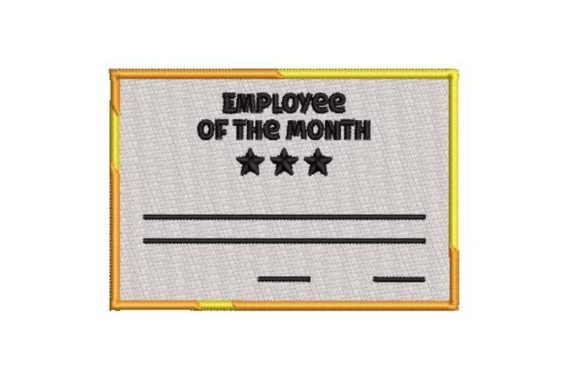
The title Employee of the Month Certificate immediately suggests a niche but charming application. The description hints at a cute and well-designed aesthetic. This doesn’t feel rustic or farmhouse; it leans more toward a soft, decorative, and slightly playful premium style. It’s not minimalist, but it’s clearly structured like a certificate, which gives it a formal yet approachable vibe. For a handmade market, this means it could appeal to buyers looking for unique corporate gifts, small business owners, or even families wanting to create fun “awards” at home. The “Work” category is perfect, but its cute twist makes it more giftable than purely corporate.
Product Performance: Where to Stitch It for Maximum Impact
My booth display will feature samples: embroidered tote bags, aprons, tea towels, caps, patches, small pouches, and pillow covers. The key is figuring where Employee of the Month Certificate will shine.
- Tote Bags & Market Bags: This could be a strong focal point on a plain canvas tote. As a large design, it would feel like a custom, meaningful gift. However, it must be bold enough to be readable from a few feet away to catch customer attention.
- Aprons & Kitchen Towels: Here, it becomes a fun, quirky addition for a workplace kitchen or a manager who loves to cook. On a textured towel, the stitch density must be high enough for clarity.
- Embroidered Patches: This is a fantastic application. A finished patch with this design could be sold separately for people to iron or sew onto their own items—a versatile, lower-cost option for craft fair shoppers.
- Caps: Embroidering on curved cap surfaces is tricky. Small lettering or intricate details in Employee of the Month Certificate could lose clarity. It would need to be tested at a smaller size specifically for caps.
- Fabric Pouches & Pillow Covers: As a smaller accent on a pouch or a centered design on a pillow, it becomes a decorative, conversation-starting item. It would elevate a simple product into a “thoughtful gift” category.
The design’s certificate layout implies it has text and perhaps decorative borders. For online sales, like an Etsy listing, this would photograph well as a clean, recognizable graphic on a light-colored fabric. A printable mockup using the design assets would help buyers visualize it instantly.
Selling & Production: The Maker’s Checklist
Turning this digital embroidery file into a batch of craft fair products requires a practical evaluation.
Understanding & Scalability
At a glance, does the design communicate its purpose? “Employee of the Month” should be clear. If it’s too ornate, it might confuse a quick glance at the booth. It needs to work as both a large focal design (on a tote bag) and a smaller accent (on a pouch) without losing its essence. This is critical for batch production—I might want to offer it on multiple products.
Careful-Use Notes for Quality Results
Here are the specific embroidery designer notes I would follow before producing any finished product:
- Test on Scrap Fabric First: Always stitch a sample on the actual fabric you plan to use—be it canvas for totes, denim for caps, or linen for towels. Fabric texture changes everything.
- Check Thread Contrast: On dark fabric, light thread is essential for readability. On light fabric, does the design use multiple thread colors to maintain its cute, well-designed look?
- Review Spacing & Stitch Density: Dense stitch areas can cause puckering on lighter fabrics like tea towels. Tiny details or small lettering might need a very fine thread or may need to be simplified for smaller hoop sizes.
- Confirm Hoop Size: The design description mentions it comes with multiple elements. I need to know the recommended hoop size to plan my production efficiently. Can it fit in a common 5x7 hoop for quicker batch work?
- Use the Right Stabilizer: This is non-negotiable for maintaining clean lines and preventing distortion, especially on stretchy or textured surfaces.
- Create a Real Mockup: Before the fair, at least one physical sample—a tote bag or apron—must be made. This shows customers the true handmade quality and boosts booth display strength.
- Compare Fabric Colors: Offer it on a few classic backgrounds: crisp white, natural beige, and perhaps a dark navy for contrast. This increases buyer engagement by providing options.
- Confirm Commercial Licensing: The description doesn’t specify license terms. Before selling any finished products, I must verify that this machine embroidery design is licensed for commercial embroidery use. This is a crucial step for any small shop product.
The Booth Appeal: Driving Customer Engagement
How does Employee of the Month Certificate affect the overall booth? A well-embroidered sample displayed prominently acts as a story. It suggests your brand offers unique, personalized gifts beyond the typical floral motifs. It can attract a different customer—perhaps a boutique maker looking for wholesale ideas, or an office manager browsing for team rewards. Its visual appeal is clean and intentional, which can elevate the perceived value of your entire product line. When paired with simpler designs, it shows your range and skill, enhancing brand consistency.
For buyer engagement, a patch or a small pouch with this design is an easy, lower-price-point item that encourages an impulse purchase. A larger tote bag becomes a showcase item that draws people in to ask, “What else can you customize?”
Final Designer Thoughts
Employee of the Month Certificate has solid potential as a niche but appealing embroidery file for craft fairs. Its success hinges entirely on practical execution. It must be stitched cleanly, on appropriate products, with full attention to fabric and thread choices. My advice is to treat it as a premium decorative design. Start with patches and a standout tote bag sample for the booth. Ensure every stitch is perfect to convey that handmade quality. And always, always verify those technical details—hoop size, stitch count, and commercial license—before investing time and materials. With that care, this cute certificate can become a memorable and profitable part of your handmade market offerings.