Skull with Hearts: A Designer's Look at Real-World Use
Whenever a new embroidery design lands in my library, my first question isn’t “Is it pretty?” but “How will it stitch, and where does it belong?” Today, I’m evaluating the Skull with Hearts design from that very practical angle. Let’s put aside the product description and consider how this machine embroidery design actually behaves when you move from the digital preview to a real needle and thread.
The First Impression: Spooky-Cute is a Powerful Mood
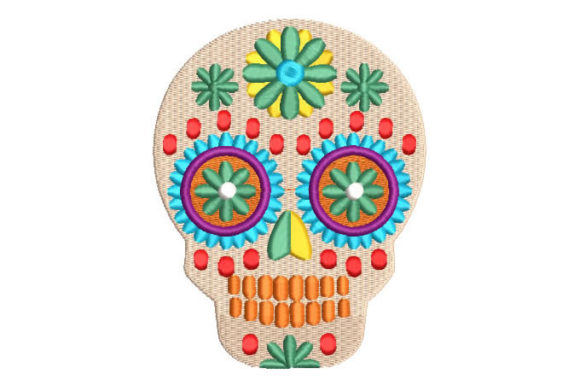
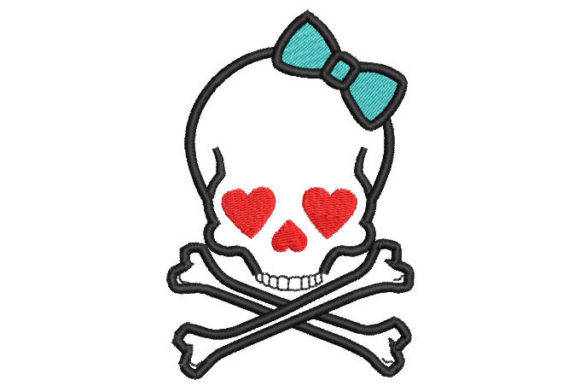
The immediate appeal of this design is its clever duality. The skull shape grounds it in that classic, slightly eerie Halloween aesthetic, but those integrated hearts soften the entire composition. This isn’t a menacing skull; it’s approachable, almost whimsical. This mood is crucial for product selection. It means the design can straddle lines—it works for a Halloween-themed sweatshirt but could also charm on a baby’s nursery blanket or a quirky kitchen towel for someone who loves a touch of gentle mystery year-round. The layout feels balanced, and the detail level appears intentional, avoiding overly tiny elements that might vanish on textured fabrics.
Where Skull with Hearts Finds Its Home
In my workshop, I picture this design excelling on several canvases. Imagine a custom embroidered tote bag for a boutique—it adds personality without being overly aggressive. On a heavyweight sweatshirt, the contrast of dark and light thread could create a fantastic focal point. For small business merchandise, like an embroidered patch, it’s recognizable and brandable. I particularly think it would shine on a pre-made apron or a pillow cover as a holiday gift; the spooky-cute vibe feels handmade and thoughtful, not mass-produced.
For crafters and Etsy sellers, this is a versatile digital embroidery file. It could anchor an entire product line: think baby embroidery on a cozy blanket, a simple cap design, or a detailed element on a tea towel set. Its visual personality lends itself to printable mockups that show well, helping buyers envision the finished product. For apparel decorators, it offers a modern twist on classic themes, suitable for both youth and adult markets.
Performance Notes: Where to Exercise Caution
No design is universally perfect, and a realistic review requires noting where careful handling is needed. The likely satin stitch outlines and fill stitch areas within the skull and hearts mean stitch density must be considered. On very thin or stretchy fabrics, like certain t-shirts, a robust stabilizer strategy is non-negotiable to prevent puckering. I’d be cautious about scaling it down for very small hoop sizes—those heart details need space to remain clear.
Dark fabric backgrounds are a natural fit for the Halloween theme, but thread color contrast is paramount. You might need to test a bright white or a pastel for the hearts to pop. On curved surfaces like caps, the design’s overall shape should be checked in a mockup first to ensure it sits well on the curve. For products destined for frequent washing, such as baby clothes or kitchen linens, securing those stitches with proper technique and quality thread will ensure longevity and maintain customer trust in your handmade product.
Visual Appeal and Commercial Sense
From a business perspective, a design like Skull with Hearts affects more than just aesthetics. Its clarity after stitching directly impacts perceived product value. A clean, well-executed version on a sweatshirt looks professional and boosts buyer engagement. For personalized gifts or small shop merchandise, its unique blend of themes supports brand consistency if your niche is playful, alternative, or charmingly eclectic. The “giftability” is high—it feels specific and considered, not generic.
For commercial embroidery projects or selling finished items, always confirm the licensing terms of the digital embroidery file before proceeding. This is a fundamental step for creative entrepreneurs and makers.
A Designer's Practical Checklist Before Hooping
Before I commit this design to a client’s project or my own craft fair inventory, my process involves a few key steps. I recommend the same:
- Test on Scrap Fabric: Use a fabric similar to your final project. See how the stitch density behaves and check the clarity of the smallest details.
- Explore Color Contrast: Stitch a sample on both light and dark background scraps. Does it need different thread colors than the preview suggests?
- Consider the Product’s Life: Will it be washed often? Worn on a stretchy garment? This influences stabilizer choice and thread type.
- Confirm the Basics: While the product description mentions multiple embroidery file formats, always verify the specific hoop sizes your version supports and your machine’s compatibility.
- Think Beyond Halloween: Its mood allows for year-round use on boutique products. Don’t limit your application imagination.
The true test of any machine embroidery design is on the fabric, under the needle. Skull with Hearts presents a compelling blend of theme and tone that, with practical attention to its application, can translate into standout custom apparel, memorable handmade products, and engaging commercial design assets. It’s a design that asks you to think about your audience—who will connect with its spooky-cute heart? That’s the kind of question that turns a digital file into a successful finished product.