The Charm and Challenge of the Easter Chick in Egg Design
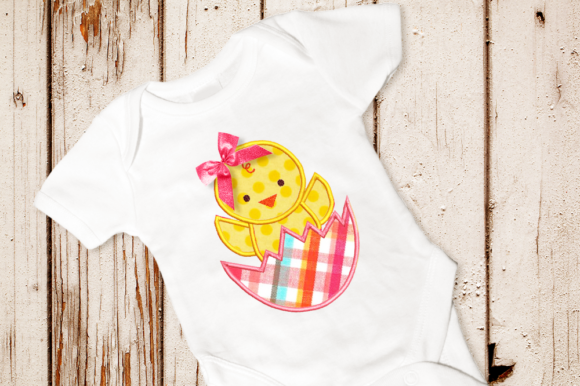
When you first open the Easter Chick in Egg embroidery file, the immediate feeling is one of gentle, springtime cheer. It’s not a complex, hyper-detailed illustration, but a sweet, character-driven motif. The layout is clever: the chick nestled inside a broken eggshell creates a natural focal point. The eggshell itself, as the description notes, is practically an open canvas, begging for a name or a small date. This isn’t just a decorative piece; it’s a personalization engine disguised as a holiday icon. Its visual personality is friendly and approachable, making it feel instantly suitable for gifts and heirloom-quality projects.
A Versatile Star for Springtime Products
In real-world embroidery work, this design shines on a surprisingly wide range of items. I recently considered it for a custom order: a linen tote bag for a client’s granddaughter’s first Easter. The clean shapes and moderate detail level meant it would stitch crisply on the bag’s textured fabric without getting lost. For small business merchandise, like a sweatshirt for a boutique’s spring collection, it offers that perfect blend of holiday theme and timeless cuteness that customers look for—it’s Easter-specific but not so niche it can’t be worn throughout the season.
On baby items, it’s a natural fit. Embroidered onto a organic cotton blanket or a simple knit hat, it becomes a cherished keepsake. The suggestion to add a bow is smart; a small satin stitch bow in a contrasting color transforms it from a stock design into a custom, handmade product. For Etsy sellers and craft fair vendors, this adaptability is gold. You can offer the same core design on aprons, pillow covers, or kitchen towels, yet each feels unique if you add that personal touch to the eggshell.
Where This Chick Might Need Extra Care
Its charm doesn’t make it immune to typical embroidery challenges. The areas of concern are predictable but manageable. The broken eggshell edges and the chick’s likely fine features mean stitch density and stabilizer choice are critical. On stretchy fabrics like t-shirts, a solid stabilizer is non-negotiable to preserve those clean lines after washing. On dark fabric backgrounds, thread color contrast becomes paramount; a pale chick on a navy blue hoodie will need bright, well-chosen threads to pop.
I’d be cautious on very small hoop sizes. If the design is scaled down significantly for a baby’s cap or a tiny patch, the smaller details—especially any potential tiny lettering if you add a name—could become muddy. Similarly, on highly textured fabrics like a thick towel, the fill stitches for the chick’s body might need a test run on scrap fabric first to ensure smooth coverage. The goal is to maintain that visual clarity and friendly appeal, which is the entire product value.
Turning a Digital File into a Trusted Product
Using this design for commercial embroidery or handmade products impacts more than just aesthetics; it affects customer trust and your brand’s professionalism. A well-executed Easter Chick in Egg on a tea towel, with crisp satin stitches and a neatly added name, signals quality. It feels like a thoughtful, finished product, not a quickly hooped experiment. This boosts giftability and buyer engagement immensely. People recognize the care taken.
For apparel decorators and creative entrepreneurs, consistency is key. If you plan to use this across a line of spring products—say, matching sweatshirts and tote bags—ensuring the embroidery looks identical in terms of thread sheen and stitch registration across different fabrics builds brand confidence. It’s a design that, when done right, looks intentional and polished.
The Designer’s Practical Checklist Before Hooping
Before I commit this design to a client’s project or my own shop’s inventory, my process is straightforward. First, I always stitch it out on a scrap of the target fabric. This reveals everything: how the thread colors interact with the material, whether the stitch density feels appropriate, and if any small details like the chick’s eye get lost.
I also check it in black and white mockups, both for digital product previews and to understand its form without color bias. Comparing how it looks on light versus dark fabric backgrounds in these mockups helps plan thread palettes. Crucially, I confirm the practical specs that weren’t provided here: the exact hoop size required, the machine compatibility, and the license terms. Is this embroidery file for personal use only, or can I sell the finished tote bags and baby blankets? That’s a fundamental question for any craft business or digital product seller.
Finally, I think about longevity. For items like baby clothes or kitchen towels that need frequent washing, a robust stabilizer and quality threads ensure this adorable chick survives many seasons, becoming part of someone’s holiday tradition. That’s the real test of a good machine embroidery design: not just how it looks fresh off the hoop, but how it holds up as part of a loved, handmade product.
The Easter Chick in Egg design, in the end, is more than a seasonal graphic. It’s a flexible tool for personalization and a reliable asset for spring-themed projects. Its success hinges on the embroiderer’s preparation—testing, stabilizing, and color planning—but the reward is a charming, professional-looking finished product that resonates with customers and gift recipients alike. It embodies the kind of thoughtful, cheerful embroidery that turns a simple digital file into a meaningful piece of craft.