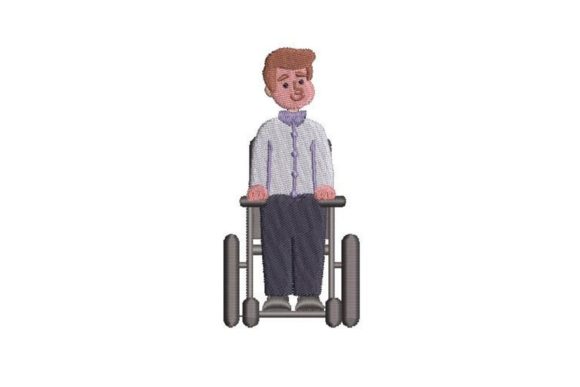
A Designer's Review: The Quadriplegic Person Embroidery Design
As an embroidery designer who regularly tests and selects designs for a personalized gift shop, my process always starts with a practical, hands-on evaluation. Before a design like Quadriplegic Person ever stitches onto a customer's cherished item, I need to understand its character, its application, and its impact. This review walks through that exact planning stage, imagining the real-world scenarios where this machine embroidery design would become a meaningful personalized gift.
The First Impression: Mood and Emotional Appeal
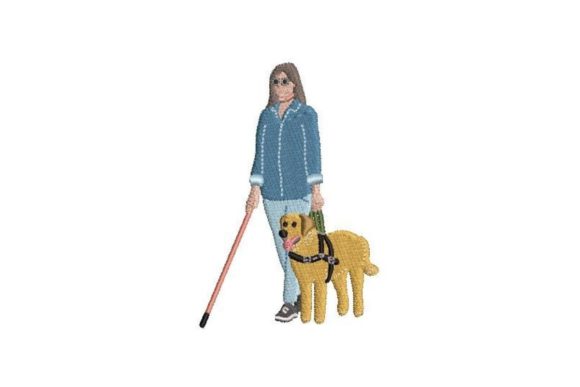
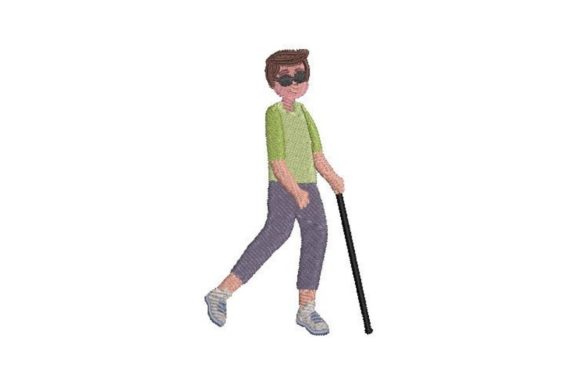
Opening the embroidery file, my first thought is that Quadriplegic Person carries a clear, classic tone of support and awareness. It isn't playful or romantic; its charm lies in its straightforward, dignified purpose. For a gift shop, this translates into a design with strong emotional connection. It feels modern and intentional, suitable for someone seeking a gift that communicates care and solidarity rather than mere decoration. The detail level, as described, suggests a symbolic representation, which is ideal for creating a handmade product that feels respectful and significant.
Real-World Applications for Your Shop
Let’s picture the customer requests. Who would seek this out, and what would they want it on? A family member wanting a keepsake for a loved who uses a wheelchair, a friend looking for a supportive gesture, or an organization creating awareness items. The product category of Awareness perfectly fits here. The application possibilities are broad but specific.
- Baby embroidery on a blanket for a child’s nursery, perhaps from a supportive community group.
- A thoughtful wedding gift embroidered on a pillow cover or a handkerchief for a couple where a member uses a wheelchair.
- A practical embroidered towel or apron for daily use in a home.
- A durable custom tote bag or pillow cover meant for regular use and display.
- A delicate addition to a baby blanket or a piece of nursery decor.
For Etsy sellers and craft fair vendors, this design could anchor a whole section of supportive, awareness-themed products. Creating printable mockups showing Quadriplegic Person on different items—like a kitchen towel or a simple canvas bag—would immediately communicate its use to potential buyers.
Points of Careful Application
Not every fabric texture or product is ideal. My designer’s eye immediately notes areas where extra planning is crucial. Based on the description’s focus on "a nice piece of cloth," I would advise caution on certain materials.
- Small lettering or delicate details: If the design includes text, test meticulously on scrap fabric first.
- Textured fabric like thick towels or looped blankets can distort simpler designs; a proper stabilizer is non-negotiable.
- Stretchy baby clothes or items with curved surfaces require careful hooping and stabilization to prevent puckering.
- Dark fabric demands high-contrast thread colors to ensure the design remains visible and impactful.
- For products needing frequent washing, such as kitchen linens or baby items, you must test washability. High stitch density can affect durability on thinner fabrics.
The key is to match the design’s intent with a suitable, high-quality base product. Quadriplegic Person on a well-made, sturdy canvas tote bag would likely perform better and last longer than on a delicate, stretchy knit.
Impact on Giftability and Shop Success
How does Quadriplegic Person affect the business side? For a small shop product, its value is in its niche. It elevates the perceived value of an item from a simple handmade object to a meaningful statement gift. This builds customer trust—they see your shop as a source for thoughtful, purpose-driven items. The handmade quality of the embroidery itself reinforces that.
In product photography, this design benefits from context. Photograph it on a beautifully folded blanket, or in a homey setting on a pillow. This visual storytelling drives buyer engagement, as customers can instantly envision the gift’s use. For digital embroidery file sellers, offering mockups on various products is essential for the same reason.
Practical Embroidery Notes for a Smooth Finish
Before running Quadriplegic Person on any customer order, here’s my checklist from the designer’s worktable.
- Always test on scrap fabric identical to your final product material.
- Check thread color contrast thoroughly. Create both light and dark fabric mockups digitally to preview.
- Confirm hoop size compatibility. The design description doesn’t specify, so you must verify this in the file itself.
- Review stitch density in your embroidery software. Adjust if necessary for delicate fabrics like fine linens.
- Select the proper stabilizer for your chosen fabric—cutaway for permanent items like pillow covers, tearaway for towels.
- After stitching, check small details closely. Any fine lines or symbols should be clean and intact.
- If you plan to sell the finished products, confirm commercial licensing before selling. The description doesn’t outline terms, so this is a vital step for any commercial embroidery use.
The goal is to ensure that every stitch of Quadriplegic Person reflects the care and support the design intends to represent. A poorly executed embroidery on an unsuitable fabric undermines that message entirely.
Final Thoughts for Crafters and Shop Owners
Quadriplegic Person is a design with a clear heart. Its success as a custom embroidery product hinges on your thoughtful application. It’s not a generic floral motif; it’s a purposeful statement. For shops specializing in wedding gifts, baby embroidery, or family keepsakes, it offers a way to serve a community looking for empathy and acknowledgment. By pairing it with high-quality materials and flawless embroidery technique, you create a gift that holds real emotional weight—a perfect example of how a digital embroidery file transforms into a tangible expression of support. Always remember, the final product speaks for your shop as much as it speaks for the person it honors.