Awareness Embroidery: Crafting Products That Speak to Inclusion
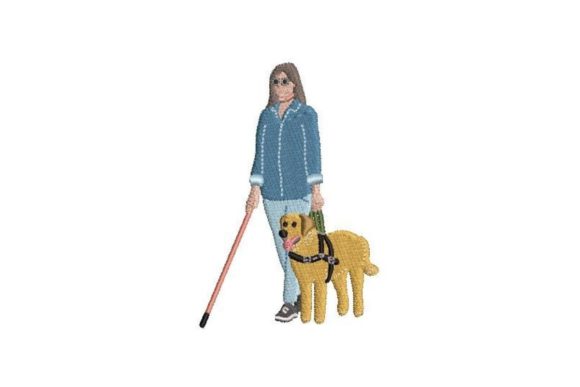
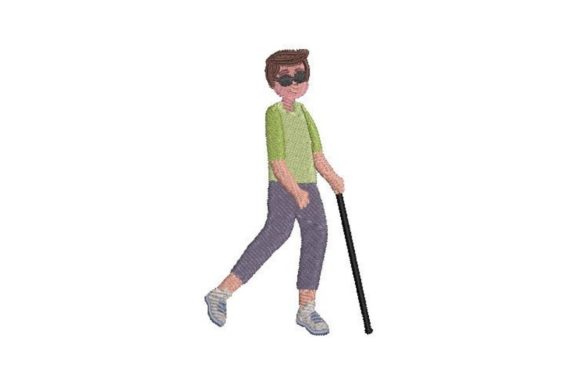
As an embroidery designer preparing for a craft fair, I look at every potential design with a critical eye. It’s not just about whether it’s a nice image; it’s about whether it will translate into a sellable, quality product on a tote bag, apron, or patch. Today, I’m reviewing the design titled Person with Vision Impairment for use in my handmade market booth. This awareness-themed embroidery file presents a unique opportunity, and its success on products hinges on thoughtful execution.
First Impression: Modern, Meaningful, and Visibly Bold
The title Person with Vision Impairment immediately sets a tone. This isn’t a cute or whimsical design; it’s a statement. It feels modern, direct, and carries a sense of purpose. For a craft fair seller, this is powerful. It moves beyond decorative and into the realm of advocacy and identity, which can create a deeper connection with customers. The design potential leans towards a clean, bold aesthetic—it should feel premium and respectful, not cluttered or overly sentimental. This mood suggests it will stand out on more structured, everyday items rather than purely decorative ones.
Where This Design Stands Out on Craft Fair Products
Imagine your booth table: rows of tea towels, a display of tote bags, a rack of caps, and a basket of embroidered patches. Where would Person with Vision Impairment shine?
- Tote Bags & Market Bags: This is a prime candidate. The message is visible and portable, turning an everyday carry item into a subtle statement. It works as a medium-to-large focal point on the front panel.
- Aprons: Particularly on chef-style or utility aprons, the design feels practical and personal. Placement on the chest or lower pocket area would be effective.
- Embroidered Patches: This is a fantastic application. Patches allow customers to apply the message to their own belongings—backpacks, jackets, jeans. It’s adaptable and has a lower price point, making it an easy add-on sale.
- Pillow Covers: For a home décor angle, a clean, minimal execution on a pillow cover could appeal to those wanting to incorporate awareness themes into their living space.
- Caps: This can be tricky due to curved surfaces, but a well-sized, simplified version of the design on the front of a cap could be a strong seller.
- Tea Towels & Kitchen Towels: Here, the textured fabric is a challenge. The design would need to be robust enough to maintain clarity on a less smooth surface, potentially leaning towards a slightly larger size.
Small pouches and giftable items are less ideal unless the design is simplified into a very clear icon or symbol. The title’s meaning requires a design that can be understood at a glance, so tiny applications on small items might lose that impact.
Practical Production: Making It Work for Your Business
Turning this digital embroidery file into a reliable craft fair product requires some ground rules. As a small shop owner, your time and material costs matter.
Design Clarity and Scale
The core question: is the design easy to understand quickly? For Person with Vision Impairment, visual clarity is paramount. Customers at a fair will see it from a few feet away. It must work as a focal point. Evaluate the file: are there dense stitch areas that could pucker on lightweight totes? Are there tiny details or small lettering that might blur on textured towels? Always test the design at your intended hoop size on scrap fabric first—preferably the same fabric you’ll use for production (like canvas for bags, twill for caps).
Photography and Online Sales
For your Etsy listings or online shop, this design must photograph well. Bold, clear designs with good thread contrast pop in product photos. If the final stitch-out has low contrast (e.g., light grey thread on a cream bag), it will look faded in pictures. Always create at least one real, physical mockup to photograph. A printable mockup can be a start, but a real product shows the handmade quality and true texture.
Batch Production and Efficiency
Does Person with Vision Impairment feel repeatable? For batch-producing a dozen tote bags, a design with moderate stitch density and a sensible number of thread colors is ideal. High stitch counts mean longer machine time and more thread consumption, affecting your cost per unit. Review the file’s estimated stitch count if available. Also, using the correct stabilizer for each fabric type is crucial to maintain quality across every item in your batch.
Critical Application Notes for the Embroidery Designer
Here are my direct notes after reviewing this type of design for commercial embroidery:
- Test on Scrap: Never skip this. Run the design on scraps of your main fabrics: canvas, cotton, denim, towel material. Check for puckering, thread breaks, or clarity loss.
- Check Thread Contrast: Play with thread colors against your planned fabric colors. Dark fabric may require a bright or white thread for the message to stand out. The design’s impact depends on this visibility.
- Review Spacing & Hoop Size: Confirm the design fits comfortably within your standard hoop sizes for each product. Forcing a large design onto a small cap hoop will compromise detail.
- Inspect Stitch Density: Dense areas can make fabric stiff and uncomfortable on wearables like caps or aprons. They also increase production time.
- Compare Fabric Colors: Offer the design on a few different base colors (neutral, dark, bright) to appeal to different customer tastes at your booth.
- Confirm Commercial Licensing: This is vital. Before selling any finished product, verify that your digital embroidery file license permits commercial use. Do not assume.
The Selling Power at Your Handmade Market Booth
Ultimately, Person with Vision Impairment as an embroidered product affects your booth’s dynamic. Its visual appeal is rooted in meaning, which can attract customer attention and spark conversations. This engagement is valuable at a busy fair. It elevates the product value from a simple handmade item to one with a story. For brand consistency, if your shop focuses on inclusive or awareness themes, this design strengthens that identity.
Display it prominently. On a tote bag hanging at the front of your booth, it acts as a sample that speaks to your brand’s values. Buyer engagement is higher when products resonate personally. This design has that potential. It’s not a generic floral; it’s specific, and that specificity can be its greatest selling strength if executed with craftsmanship and care.
In summary, Person with Vision Impairment is a design with significant potential for craft fair sellers targeting meaningful, everyday products. Focus on bold applications like tote bags, patches, and aprons. Prioritize clarity and contrast in your production, and always, always test first. With careful execution, it can become a standout product that not only sells but also communicates something important right from your handmade market table.