Coronavirus Stop: A Designer's Take on an Awareness Design
The First Impression: Colorful, Direct, and Purposeful
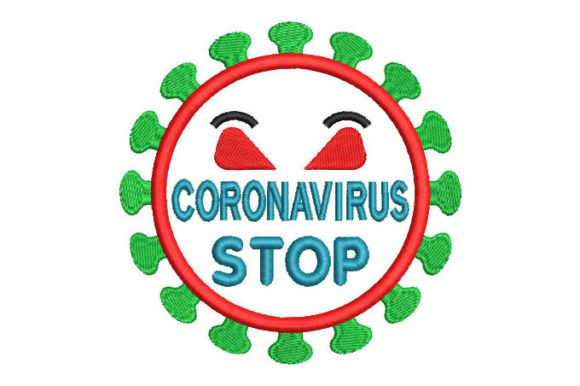
When I look at a design like Coronavirus Stop, my first question is always about its intent. This isn't a subtle, decorative motif; it's a statement piece. The name itself is direct, and from the description, we know it's meant to raise awareness. The colorful aspect suggests it's aiming to be more engaging than grim. For an embroidery designer, this creates a specific mood: it’s thought-provoking but also visually vibrant. It feels like it belongs on items meant to be seen and to spark conversation—not just blend into the background.
Where This Design Finds Its Home
Thinking about real projects, I immediately visualize this on practical, everyday items where a message can be shared. A custom embroidered tote bag or a canvas apron would be a perfect canvas. The design becomes part of the user's daily routine, carrying that awareness message into public spaces. For a home decor focus, as mentioned in the description, a simple pillow cover or a kitchen towel could work well, adding a personalized and meaningful accent to a room. In a craft business context, an Etsy seller might offer it as a custom option on sweatshirts, creating a product with both style and sentiment.
A Real-Life Scenario: The Boutique Tote Bag
Imagine you're preparing a batch of tote bags for a small shop. You want to offer something unique that resonates. Coronavirus Stop, embroidered neatly near the top, would make each bag feel intentionally crafted. The colorful stitching would stand out against the natural canvas, creating a product that’s both functional and carries a voice. A customer buying it isn't just getting a bag; they're getting a handmade product with a layer of meaning. That added value can be significant for a creative entrepreneur.
Performance on Actual Fabrics and Products
For practical embroidery, the key consideration is how the design's elements translate into stitches. The word "Stop" likely involves satin stitch for clean lettering, and the colorful elements probably use fill stitches for the main shapes. On a sturdy fabric like a tote bag or a sweatshirt, with proper stabilizer, it should stitch out crisply. However, the "multip" mention in the description is crucial—it likely means multiple file formats or sizes. You must check the hoop size compatibility for your specific project. A larger version would be great for a bag; a smaller, simplified one might be better for a cap.
Caution Areas for Best Results
There are places where I'd use this design carefully. On thin or stretchy fabrics like t-shirts, the stitch density needs to be appropriate to avoid puckering. Embroidering on dark fabric requires careful thread color contrast planning—will those "colorful" elements pop or fade? For curved surfaces like caps, the design's layout needs to be adaptable; intricate corners might not stitch cleanly on such a surface. And for items like baby clothes or items needing frequent washing, you'd want to ensure the embroidery is secure and the threads are high-quality for durability.
The Impact on Your Work and Your Customer
Using Coronavirus Stop affects more than just the stitching. It influences the visual appeal and perceived value of your finished product. For a client project or a personalized gift, it shows you're offering designs with contemporary relevance. It can enhance brand consistency for a shop focused on awareness or community themes. However, it's also a design with a specific message, so its giftability and customer engagement depend entirely on the recipient's perspective. It won't be universally fitting, but for the right audience, it creates a strong connection.
Essential Designer Notes Before You Stitch
Before running this machine embroidery design on a final project, here’s my practical checklist. First, always test on scrap fabric first. Use the same material and stabilizer you plan for the final item. This reveals any issues with stitch density or thread breaks. Second, inspect the small details in the file preview. How fine is the lettering? Does it rely on tiny details that might get lost? Third, compare light and dark fabric backgrounds in your mind or via digital mockups. A printable mockup can help visualize the final product for your shop listing.
Most importantly, clarify the licensing for this digital embroidery file. The description doesn’t specify terms. Before selling finished products or using it in commercial embroidery projects, you must confirm you have the right to do so. This protects your craft business and maintains customer trust. Finally, consider the design’s versatility. Could it work as an embroidered patch? That opens up even more applications, from jackets to bags, allowing you to offer it as a standalone product.
Final Thought: A Design with a Clear Purpose
Coronavirus Stop isn't a generic floral motif. It’s a design asset with a defined role. As a designer reviewing it for real use, I see its value in projects where message and craftsmanship intersect. It asks you to think about context, fabric choice, and your customer’s values. Stitched well on a suitable product, it can be a powerful, colorful statement. Stitched without consideration, it might just be a confusing accent. Your skill as an embroiderer brings it to life, so approach it with the same thoughtful intention the design itself conveys.